By K EDWARDS
•
December 27, 2025
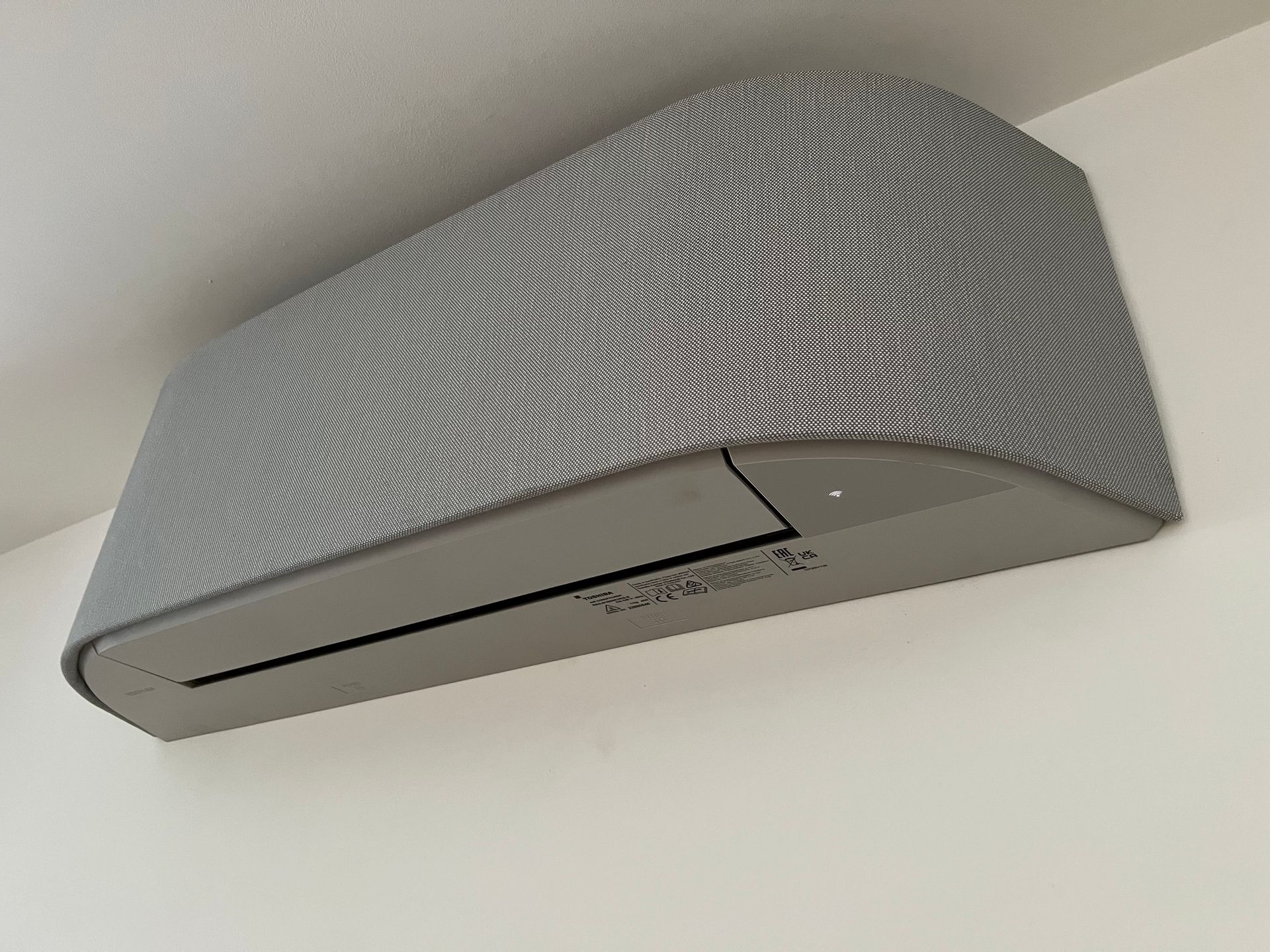
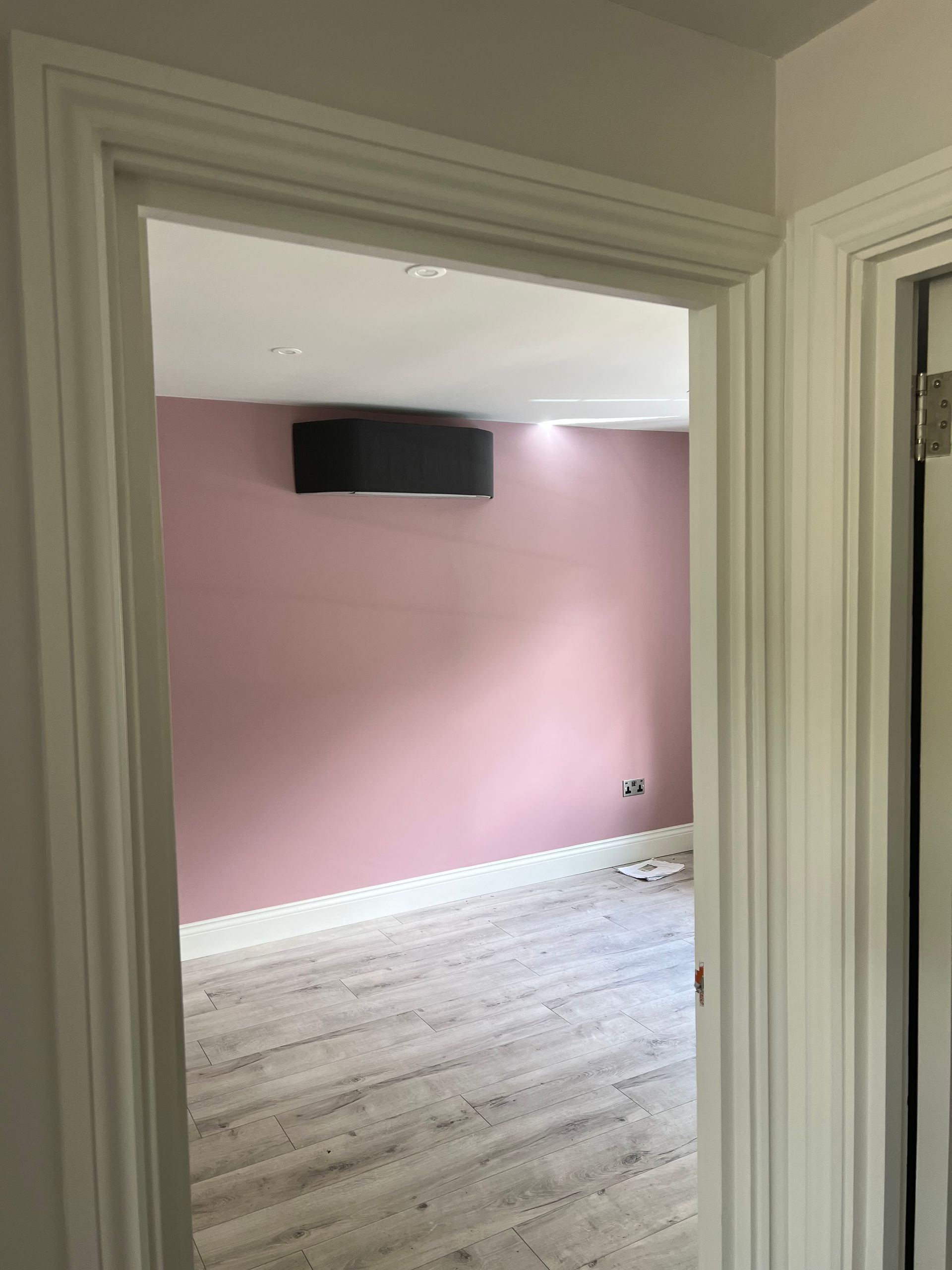
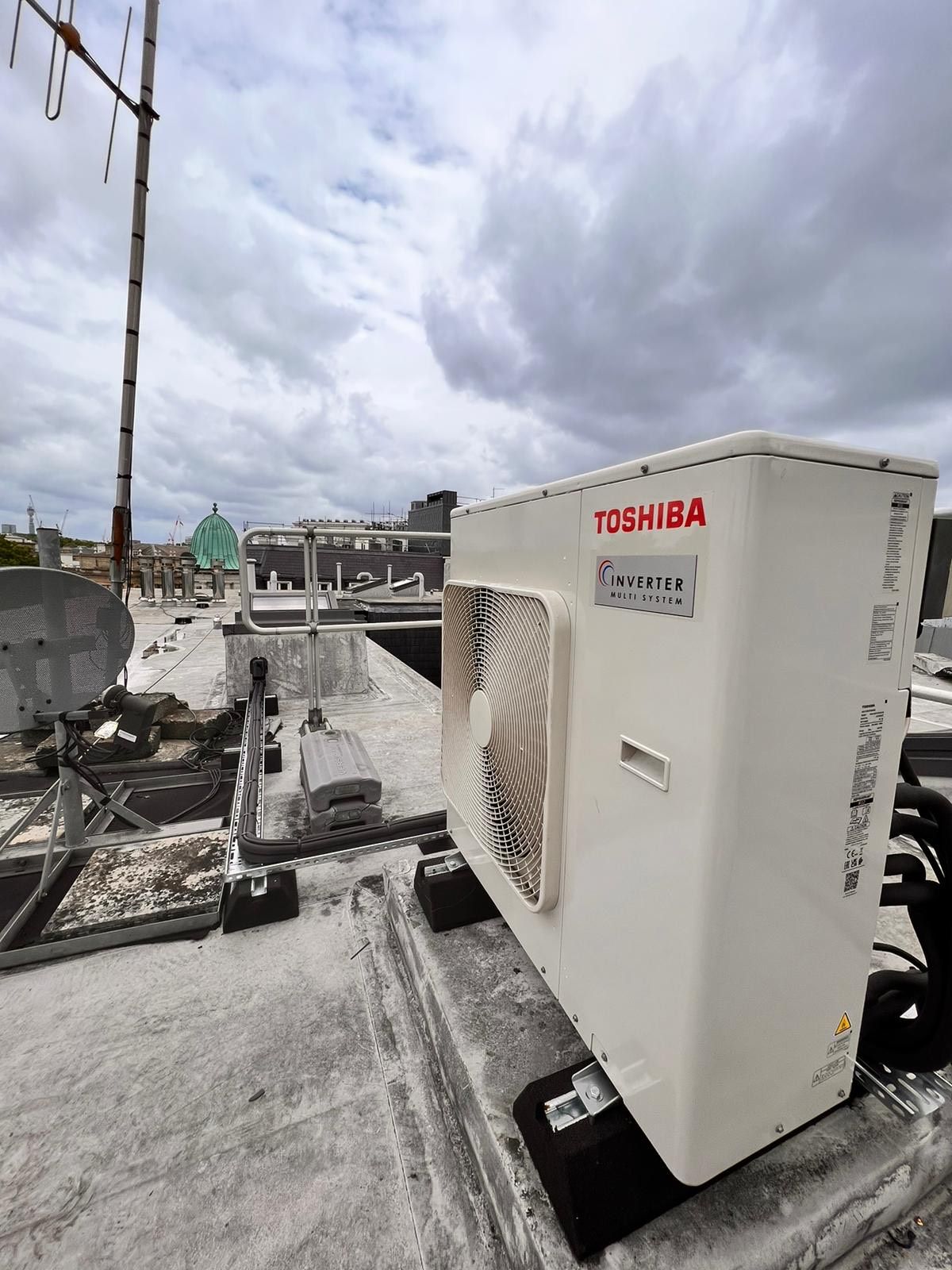
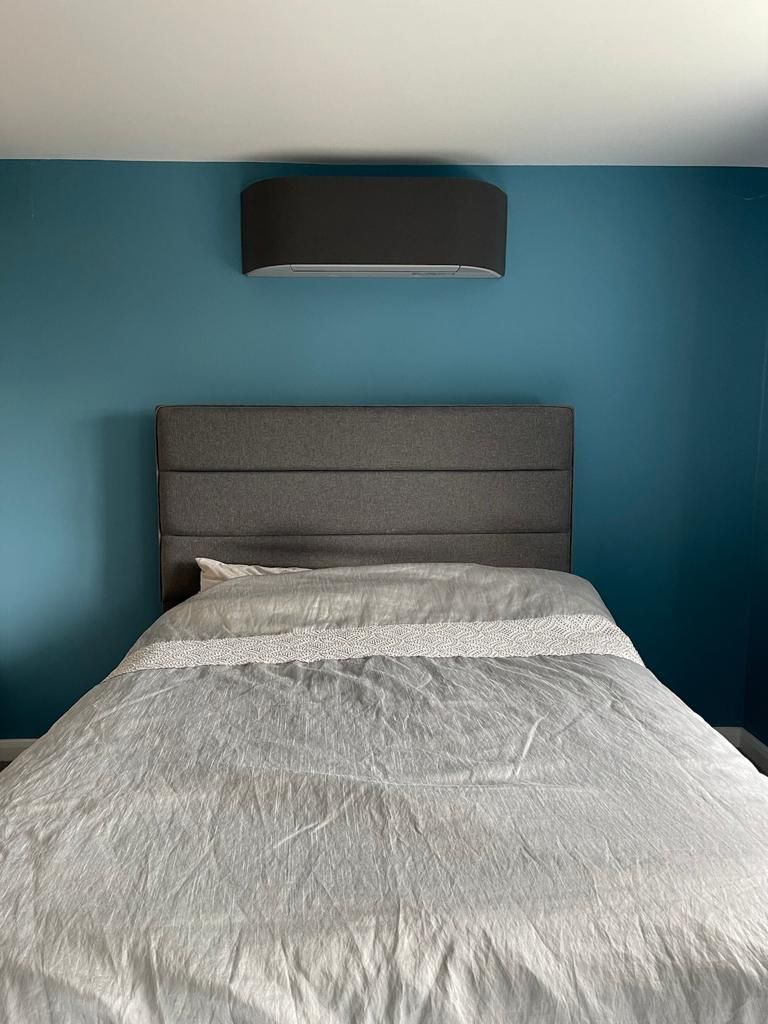
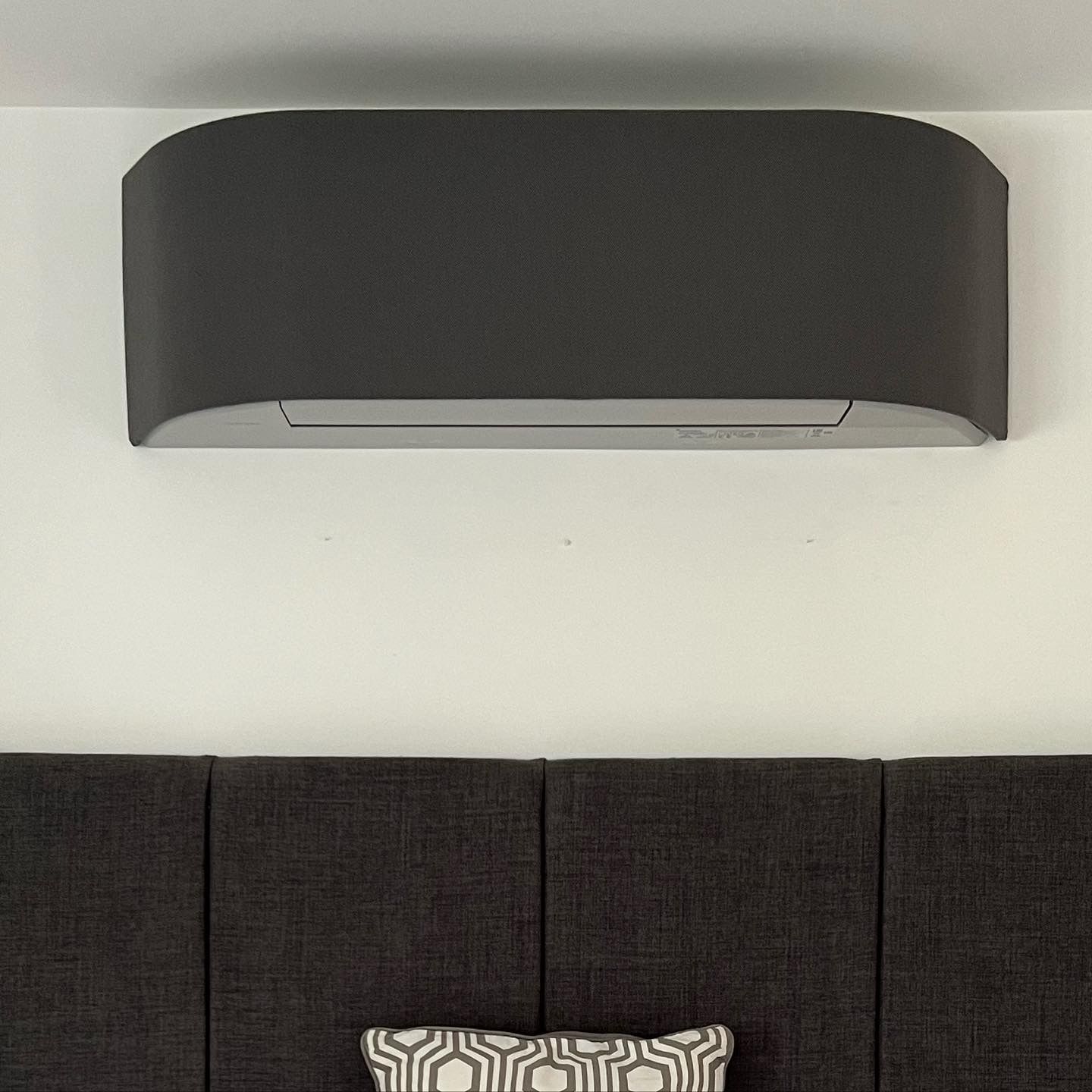
The Toshiba Haori wall-mounted split system is a premium air-conditioning solution designed for commercial and light-commercial environments where aesthetics, acoustic comfort, energy efficiency and smart control are equally important. With its distinctive stretched fabric fascia , advanced inverter performance and strong seasonal efficiency ratings, the Haori is well suited to offices, reception areas, meeting rooms, retail spaces and hospitality settings. Design and Aesthetics A defining feature of the Toshiba Haori is its stretched fabric fascia , which sets it apart from traditional plastic-fronted air-conditioning units. Standard finishes: Light grey and dark grey fabric supplied directly by the manufacturer Optional colours: A wider range of fabric colours available via Toshiba’s official website, allowing businesses to align the unit with interior design schemes or brand colours Form factor: Slim, modern profile that integrates cleanly into professional interiors This makes the Haori particularly attractive for client-facing and design-conscious commercial spaces , where visual impact matters. Energy Efficiency Ratings (Key Metrics) Energy efficiency is a key consideration for businesses facing rising energy costs and ESG reporting requirements. The Toshiba Haori performs strongly across all key efficiency indicators: SEER (Seasonal Energy Efficiency Ratio): Up to 8.5 (A+++) on selected models, delivering excellent cooling efficiency and reduced electricity consumption during peak summer operation. SCOP (Seasonal Coefficient of Performance): Up to 5.1 (A+++) , providing highly efficient heating performance and making the Haori suitable as a primary or supplementary heat source. COP (Coefficient of Performance): Typically 3.6–5.1 , depending on capacity, reflecting efficient real-world operation in both heating and cooling modes. Exact figures vary by unit size — technical datasheets should always be consulted during specification. Smart Connectivity and Control The Toshiba Haori supports Wi-Fi connectivity via Toshiba’s Home AC Control platform, offering benefits that are particularly valuable for commercial users and facilities managers: Remote control of temperature, modes and fan speed Advanced scheduling to prevent unnecessary out-of-hours operation Centralised control of multiple units across a site Compatibility with Amazon Alexa and Google Assistant These features enable better energy management, reduced wastage and improved occupant comfort , especially in offices with variable occupancy patterns. Acoustic Performance (dB(A) Ratings) Noise levels are a critical factor in professional environments such as offices, meeting rooms and reception areas. The Toshiba Haori performs well acoustically: Indoor unit sound pressure levels: As low as 19–21 dB(A) on low fan speed Typically 38–41 dB(A) at higher output settings Outdoor unit: Designed for quiet external operation, helping to minimise disturbance in urban or mixed-use settings (subject to siting and acoustic conditions) These low noise levels make the Haori suitable for environments where concentration, conversation and customer experience are priorities. Air Quality and Comfort Features The Haori includes features aimed at improving overall indoor comfort and air quality: Advanced filtration: Helps reduce dust, pollen and airborne particulates Anti-bacterial and deodorising filters (model-dependent) Even airflow distribution for consistent temperature control Stable inverter modulation to avoid temperature fluctuations While not positioned as a dedicated air purification system, these features support healthier and more comfortable indoor environments. Performance and Application The Toshiba Haori delivers: Rapid response heating and cooling Stable temperature control under varying loads A range of capacities suitable for different room sizes It is particularly well suited to: Commercial offices and boardrooms Reception areas and client-facing spaces Retail units and showrooms Hospitality lounges, hotel public areas and boutique premises Pros and Cons (Commercial Perspective) Pros ✔ Distinctive stretched fabric fascia with custom colour options ✔ Very low indoor noise levels (from ~19 dB(A)) ✔ Excellent SEER and SCOP efficiency ratings ✔ Smart Wi-Fi control and scheduling ✔ Suitable for client-facing, design-led environments Cons ✘ Premium design may be unnecessary for purely industrial spaces ✘ Some smart features require correct network setup Who the Toshiba Haori Is Best For The Haori is ideal for businesses that value: Visual integration with modern interiors Quiet operation in professional environments Energy efficiency and reduced operating costs Smart control and future-proofed HVAC solutions It is especially appealing to offices, landlords, designers, and hospitality operators seeking a balance between performance and presentation. Verdict (Business Perspective) The Toshiba Haori wall-mounted split system is a refined, high-efficiency air-conditioning solution that combines low noise operation, strong seasonal efficiency, smart connectivity and distinctive fabric-fronted design . For commercial spaces where comfort, appearance and energy performance all matter, the Haori represents a premium yet practical HVAC choice.