TM44 Air Conditioning Inspections

K EDWARDS • March 15, 2023

TM44 – what is it and how does it impact me?


TM44 is the CIBSE document which is used as a guidance note to comply with the Energy Performance of Buildings Directive (EPBD) within the UK. This relates to inspections of Air Conditioning systems within buildings.


Which systems require an air conditioning inspection? Well, buildings containing air conditioning systems with an overall rated output of more than 12kW must comply and have a TM44 inspection. Note: this isn’t just if you have a unit over 12kW – this is cumulative so if you have 3 units rated at 5kW, you must have a TM44 inspection as your overall rated output is 15kW. If you have any doubts as to how to calculate this rating, please do get in touch as we’re happy to assist.


Increasingly, companies who want to achieve ISO accreditation, specifically ISO 14001 and ISO 18001, are requiring TM44 inspections. Many are surprised to learn they are in fact not compliant presently. Failure to show a TM44 certificate can jeopardize your ISO accreditation, as well as landing you a substantial fine.


With air conditioning systems in a typical building being responsible for up to 40% of energy consumption, the reasons for knowing how efficient your systems are is not just a matter of compliance.


Your inspection report will show you improvements you can make to your systems to make them more efficient and this may include replacing them completely – to take advantage of energy efficient inverter compressors, EC or digital motors, higher pressure and more efficient refrigerant and modern units with higher COP’s and SEER’s and more efficient heat transfer properties such as high efficiency coils. Often it might be a recommendation to have your coils thoroughly cleaned, or advice on how to set your controller up to prevent out of hours operation, or perhaps just adjusting your set-point.


Whilst it is a legal requirement to have an inspection undertaken, it is not a legal requirement to undertake any of the recommendations noted in the report. Be aware though, the person who controls the operation of the system – not the person who adjust the set-point from time to time but the person who controls the technical functioning and operation of the system – is responsible for ensuring this inspection takes place. Enforcement of TM44 inspections lies with Trading Standards Offices in your local area. If your system is non-compliant, the person responsible for the technical functioning may be liable for a personal fine.


Best to be compliant we say here at Bedfordshire Air Conditioning!

By K EDWARDS December 27, 2025
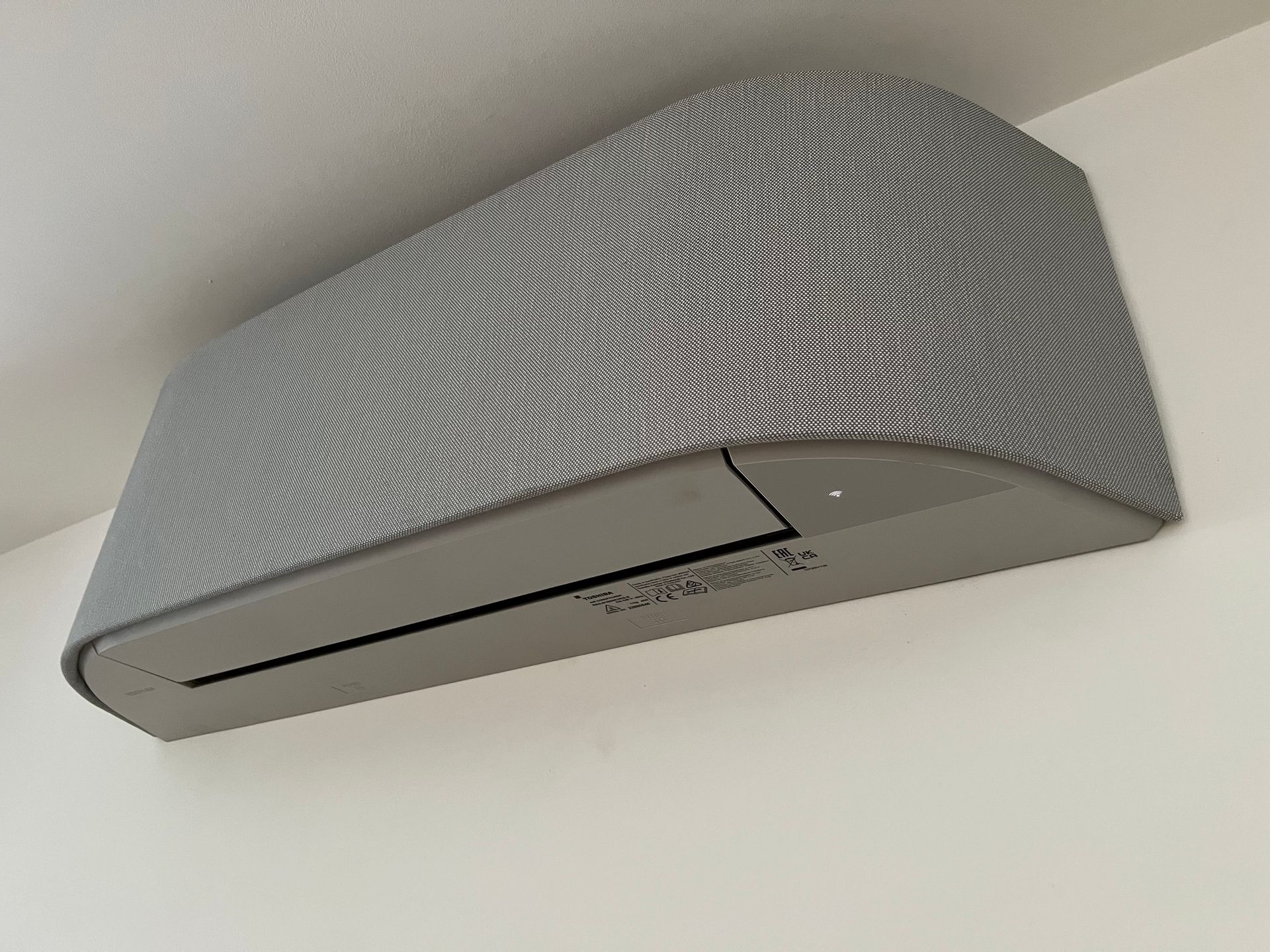
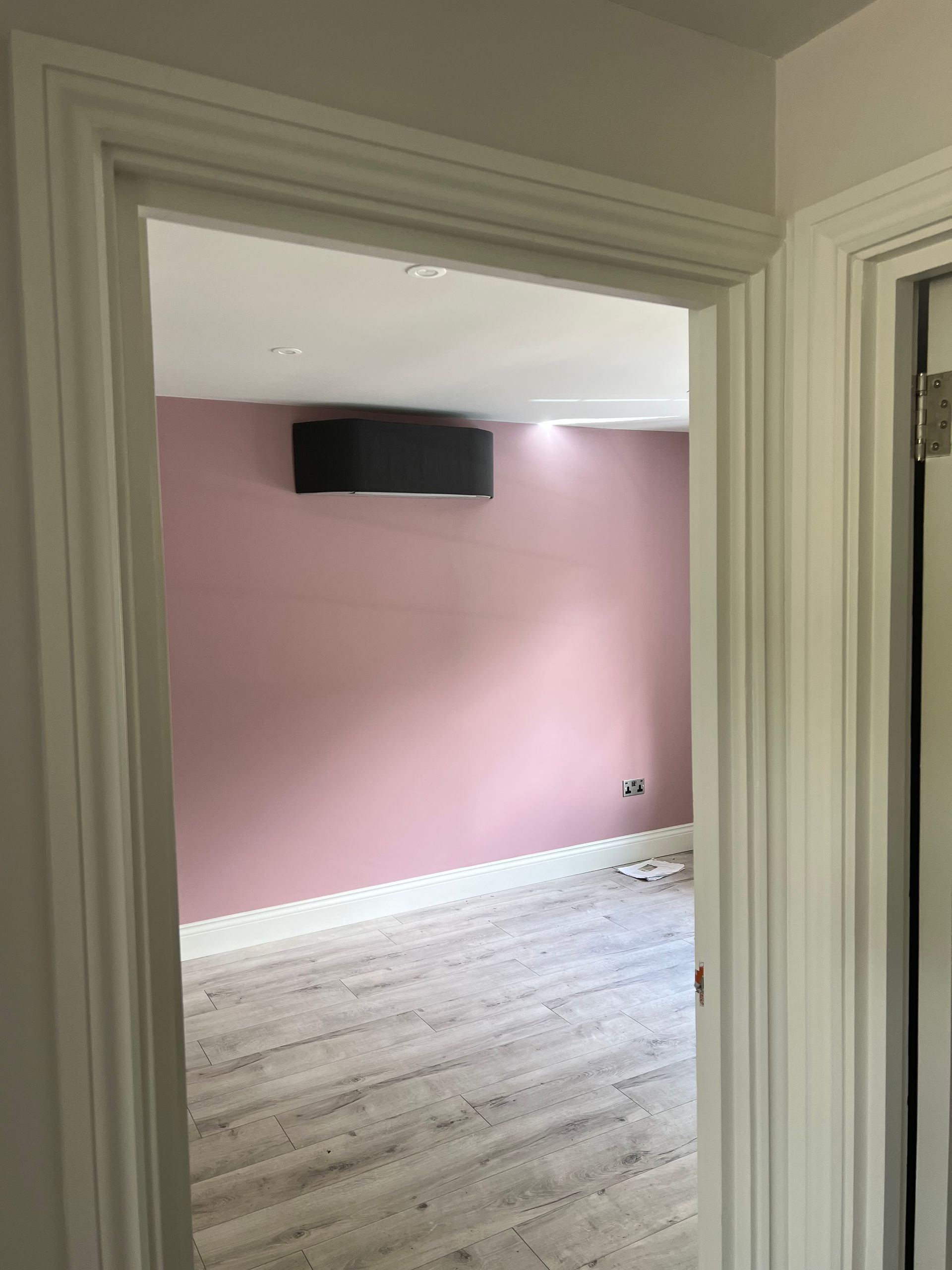
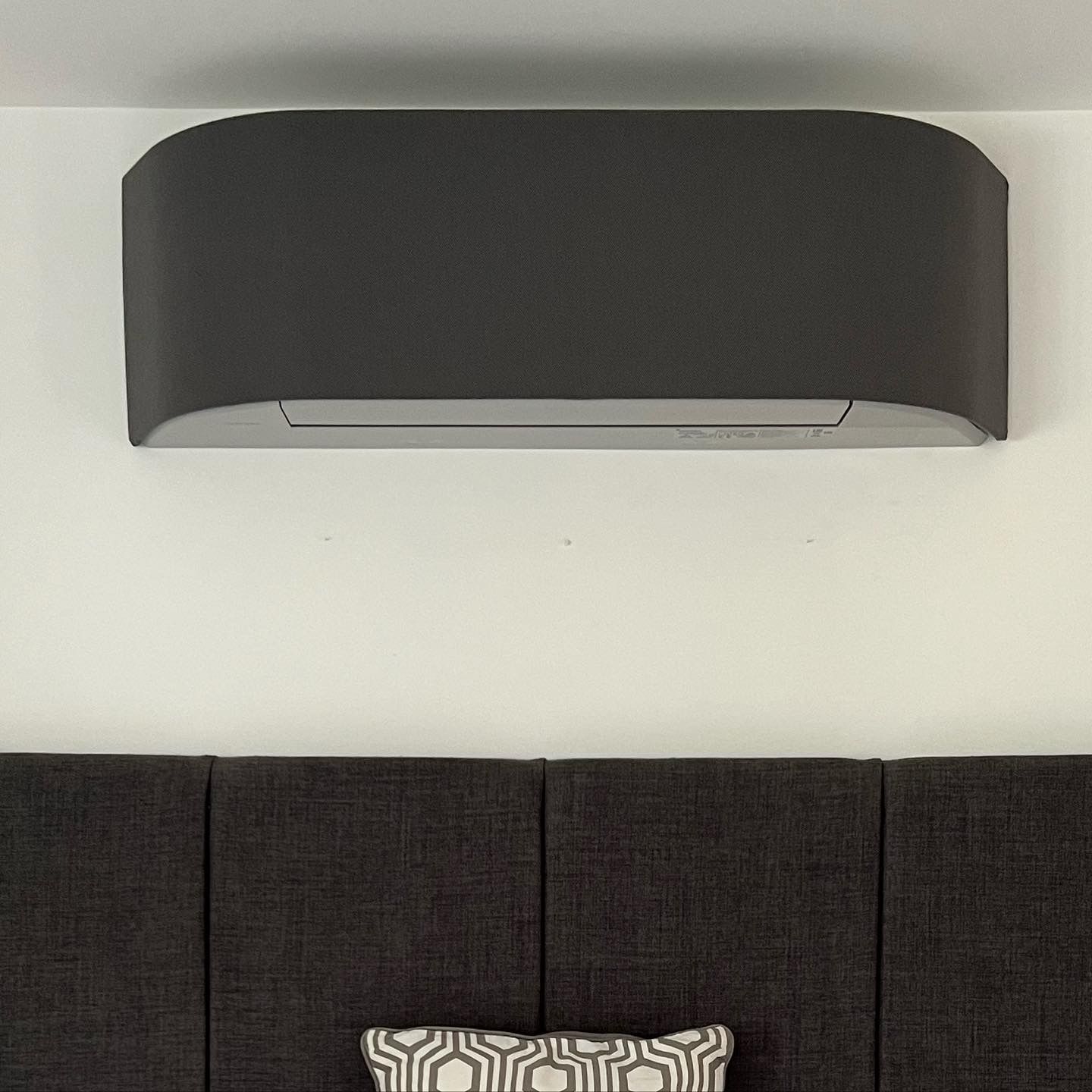
The Toshiba Haori wall-mounted split system is a premium air-conditioning solution designed for commercial and light-commercial environments where aesthetics, acoustic comfort, energy efficiency and smart control are equally important. With its distinctive stretched fabric fascia , advanced inverter performance and strong seasonal efficiency ratings, the Haori is well suited to offices, reception areas, meeting rooms, retail spaces and hospitality settings. Design and Aesthetics A defining feature of the Toshiba Haori is its stretched fabric fascia , which sets it apart from traditional plastic-fronted air-conditioning units. Standard finishes: Light grey and dark grey fabric supplied directly by the manufacturer Optional colours: A wider range of fabric colours available via Toshiba’s official website, allowing businesses to align the unit with interior design schemes or brand colours Form factor: Slim, modern profile that integrates cleanly into professional interiors This makes the Haori particularly attractive for client-facing and design-conscious commercial spaces , where visual impact matters. Energy Efficiency Ratings (Key Metrics) Energy efficiency is a key consideration for businesses facing rising energy costs and ESG reporting requirements. The Toshiba Haori performs strongly across all key efficiency indicators: SEER (Seasonal Energy Efficiency Ratio): Up to 8.5 (A+++) on selected models, delivering excellent cooling efficiency and reduced electricity consumption during peak summer operation. SCOP (Seasonal Coefficient of Performance): Up to 5.1 (A+++) , providing highly efficient heating performance and making the Haori suitable as a primary or supplementary heat source. COP (Coefficient of Performance): Typically 3.6–5.1 , depending on capacity, reflecting efficient real-world operation in both heating and cooling modes. Exact figures vary by unit size — technical datasheets should always be consulted during specification. Smart Connectivity and Control The Toshiba Haori supports Wi-Fi connectivity via Toshiba’s Home AC Control platform, offering benefits that are particularly valuable for commercial users and facilities managers: Remote control of temperature, modes and fan speed Advanced scheduling to prevent unnecessary out-of-hours operation Centralised control of multiple units across a site Compatibility with Amazon Alexa and Google Assistant These features enable better energy management, reduced wastage and improved occupant comfort , especially in offices with variable occupancy patterns. Acoustic Performance (dB(A) Ratings) Noise levels are a critical factor in professional environments such as offices, meeting rooms and reception areas. The Toshiba Haori performs well acoustically: Indoor unit sound pressure levels: As low as 19–21 dB(A) on low fan speed Typically 38–41 dB(A) at higher output settings Outdoor unit: Designed for quiet external operation, helping to minimise disturbance in urban or mixed-use settings (subject to siting and acoustic conditions) These low noise levels make the Haori suitable for environments where concentration, conversation and customer experience are priorities. Air Quality and Comfort Features The Haori includes features aimed at improving overall indoor comfort and air quality: Advanced filtration: Helps reduce dust, pollen and airborne particulates Anti-bacterial and deodorising filters (model-dependent) Even airflow distribution for consistent temperature control Stable inverter modulation to avoid temperature fluctuations While not positioned as a dedicated air purification system, these features support healthier and more comfortable indoor environments. Performance and Application The Toshiba Haori delivers: Rapid response heating and cooling Stable temperature control under varying loads A range of capacities suitable for different room sizes It is particularly well suited to: Commercial offices and boardrooms Reception areas and client-facing spaces Retail units and showrooms Hospitality lounges, hotel public areas and boutique premises Pros and Cons (Commercial Perspective) Pros ✔ Distinctive stretched fabric fascia with custom colour options ✔ Very low indoor noise levels (from ~19 dB(A)) ✔ Excellent SEER and SCOP efficiency ratings ✔ Smart Wi-Fi control and scheduling ✔ Suitable for client-facing, design-led environments Cons ✘ Premium design may be unnecessary for purely industrial spaces ✘ Some smart features require correct network setup Who the Toshiba Haori Is Best For The Haori is ideal for businesses that value: Visual integration with modern interiors Quiet operation in professional environments Energy efficiency and reduced operating costs Smart control and future-proofed HVAC solutions It is especially appealing to offices, landlords, designers, and hospitality operators seeking a balance between performance and presentation.  Verdict (Business Perspective) The Toshiba Haori wall-mounted split system is a refined, high-efficiency air-conditioning solution that combines low noise operation, strong seasonal efficiency, smart connectivity and distinctive fabric-fronted design . For commercial spaces where comfort, appearance and energy performance all matter, the Haori represents a premium yet practical HVAC choice.

By K EDWARDS December 25, 2025
Air Conditioning as an Energy-Efficient Heating Strategy: A Practical Advantage for UK Businesses and Property Owners As UK organisations navigate rising operational costs, decarbonisation pressures and tighter emissions expectations, many are reassessing their heating strategy. One technology is emerging as a clear leader for both cost efficiency and sustainability: modern air conditioning systems operating as high-efficiency heat pumps . These systems are no longer simply cooling appliances; they are versatile, low-carbon HVAC assets delivering highly efficient heating across commercial premises and multi-occupancy buildings — often outperforming traditional gas, oil and biomass systems on both cost and performance. Exceptional Heating Efficiency With Immediate Operational Benefits Heat pump–driven air conditioning doesn’t generate heat through combustion. Instead, it transfers heat from the outside air — even in cold conditions — and multiplies the usable output. This gives it a significant efficiency advantage. Typical performance figures show: 300–400% heating efficiency (COP 3–4) Substantial reductions in energy consumption compared with gas or oil boilers Lower carbon intensity, supporting CSR and ESG commitments Consistent heat delivery with precise digital controls When energy costs are unpredictable, the ability to generate multiple units of heat from a single unit of electricity provides meaningful and immediate savings for commercial budgets. Cost Control in a High-Price Energy Market The volatility of UK gas and oil prices continues to place pressure on businesses. Air-conditioning-based heating systems, by contrast, offer: Predictable operational costs Lower peak demand costs when paired with smart controls or timers No oil deliveries, no fuel storage, and no exposure to supply-chain price spikes Reduced maintenance compared with combustion boilers or biomass systems For many SMEs and commercial property operators, switching key areas — offices, customer-facing spaces, workshops, meeting rooms — to heat-pump-based AC can reduce winter heating expenditure without compromising comfort. Practical Advantages for Commercial Premises Air conditioning as a year-round HVAC solution offers several professional advantages: Zoned heating control to eliminate unnecessary energy usage Rapid response times , ideal for variable occupancy patterns Integrated cooling capability for summer trading and staff comfort Enhanced indoor air quality via onboard filtration systems Minimal disruption during installation , especially in retrofit scenarios For landlords, developers and facilities managers, these systems also streamline compliance with evolving UK environmental standards and offer strong long-term asset value.  A Future-Ready Heating Solution Aligned With UK Policy As the UK transitions away from fossil-fuel heating, businesses and property investors increasingly need solutions that demonstrate sustainability, resilience, and cost efficiency. Modern air conditioning heat pumps meet all three requirements: Contribute to lower carbon emissions Reduce reliance on oil, gas and solid fuels Support EPC improvements and future regulatory compliance Offer both heating and cooling in a single technology platform For many commercial environments, they represent a strategic upgrade that improves comfort, cuts running costs, and strengthens environmental performance in one step.
By K EDWARDS December 10, 2025
and why is it important to your business?
By K EDWARDS December 1, 2025
Things for you to check before calling us!
By K EDWARDS November 24, 2025
As temperatures drop across Bedfordshire, many businesses assume their air conditioning units can be ignored until summer. In reality, winter is the perfect time to give your system the attention it needs. Neglecting maintenance now can lead to costly breakdowns just when you need reliable climate control the most.  🌬 Why Winter Maintenance Matters Heating mode reliance : Modern AC units often double as heating systems, air-to-air heat pumps so to speak. If filters, coils, or fans are dirty, efficiency drops and heating bills rise. Preventing downtime : A sudden failure in January could leave staff and customers uncomfortable, impacting productivity and sales. Energy savings : Regular servicing ensures your system runs smoothly, reducing unnecessary energy consumption during peak heating months. 🛠 Common Winter Concerns for Businesses Blocked filters from autumn dust and debris. Frozen coils if units aren’t properly maintained. Wear and tear from switching between heating and cooling modes. Blocked Condenser coils from all the leaf litter fallen over the last few months ✅ Smart Steps for Bedfordshire Businesses Schedule a professional inspection before the coldest months bite hard. Replace or clean filters regularly. Check thermostats and controls to ensure accurate temperature regulation. Keep outdoor units clear of leaves and frost. 📈 The Business Case A well-maintained system isn’t just about comfort—it’s about protecting your bottom line. Lower energy bills, fewer emergency callouts, and a healthier workplace environment all add up to stronger business performance and higher customer spend. Final thought: Winter is not the time to forget your air conditioning—it’s the time to future-proof it. Bedfordshire businesses that invest in maintenance now will enjoy smoother operations and fewer headaches when summer rolls back around.
By K EDWARDS May 13, 2025
How regular servicing can save your company thousands!
By K EDWARDS March 31, 2025
Why Air Conditioning is Essential for Bedfordshire Businesses: Comfort, Productivity, and Profitability
By K EDWARDS March 20, 2025
and what you should look out for!
By K EDWARDS March 17, 2025
What is all the fuss about?
By K EDWARDS January 31, 2025
What is Radon?