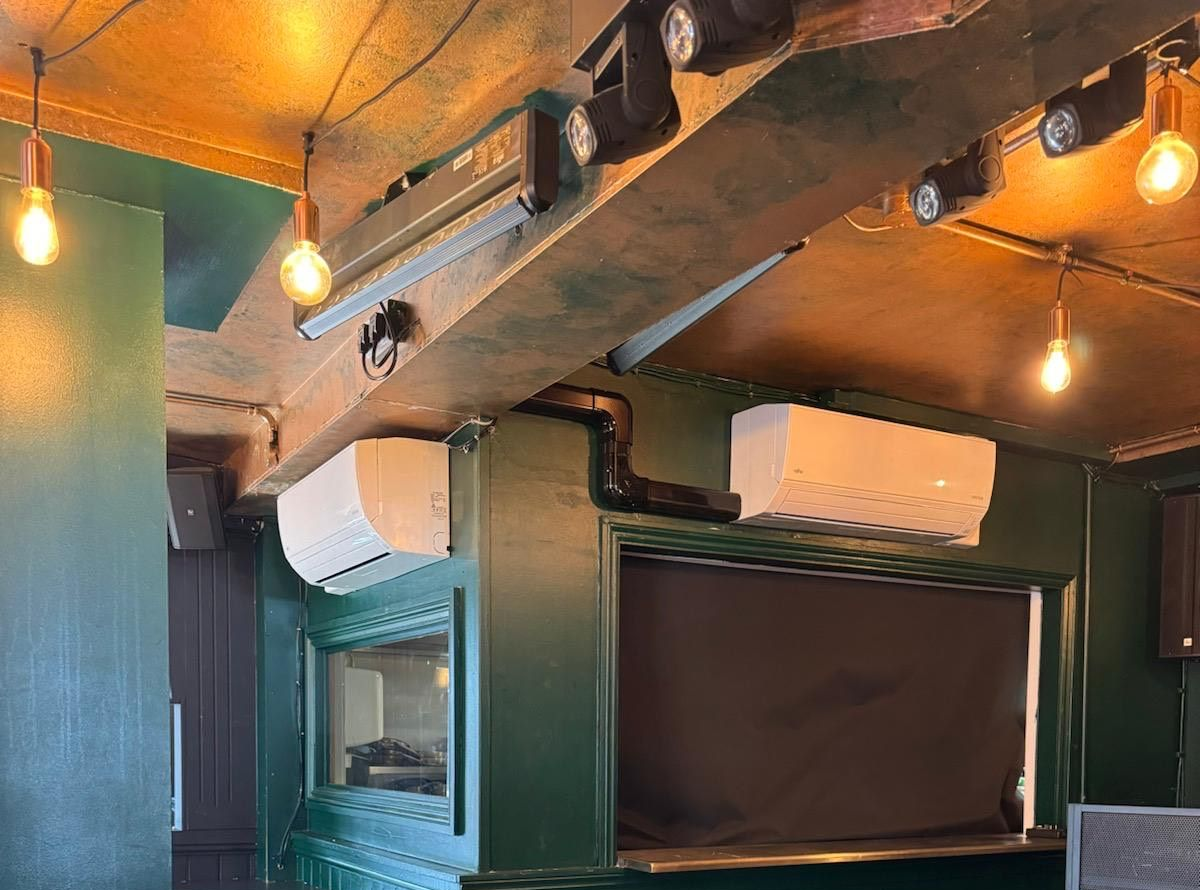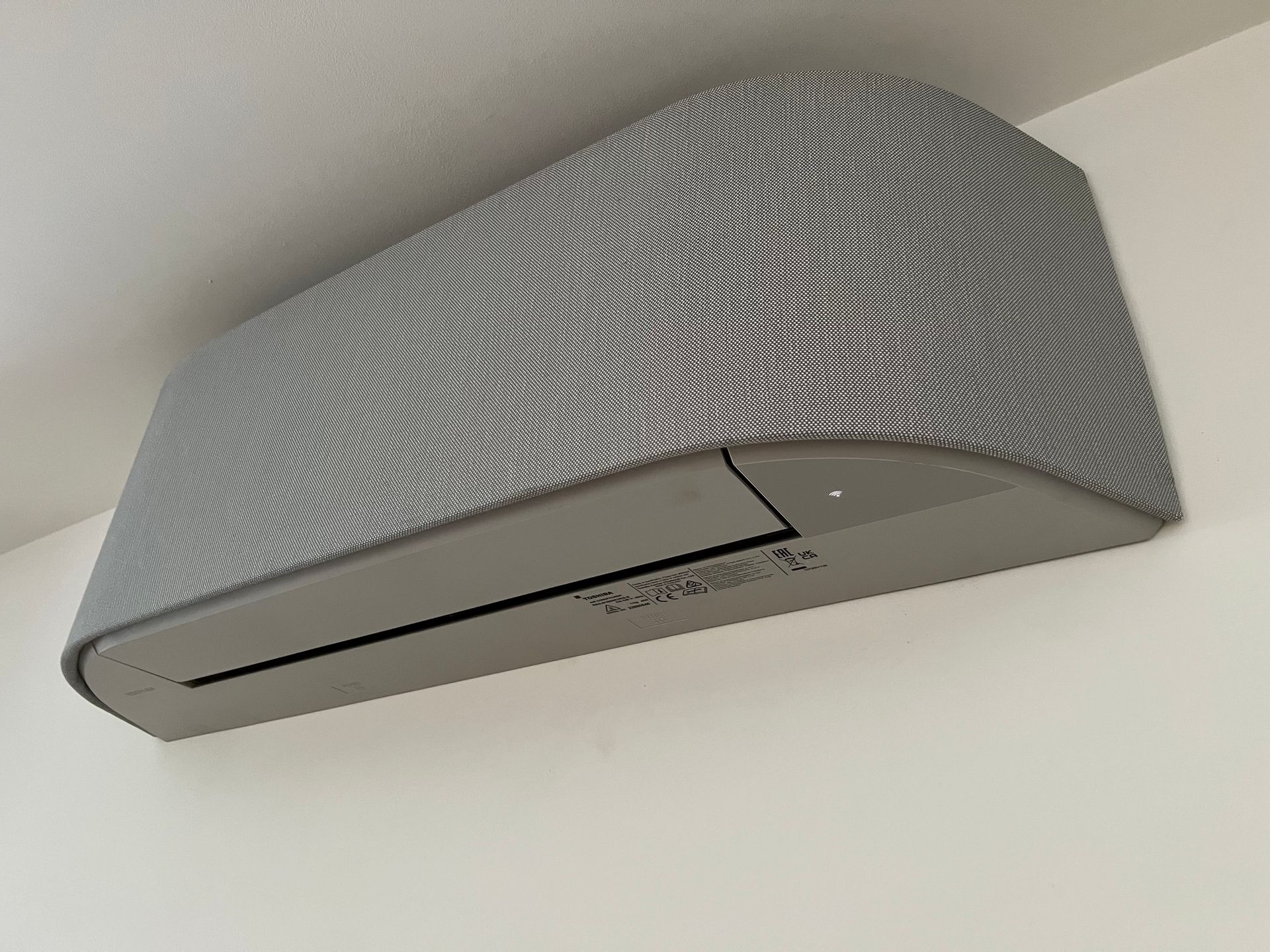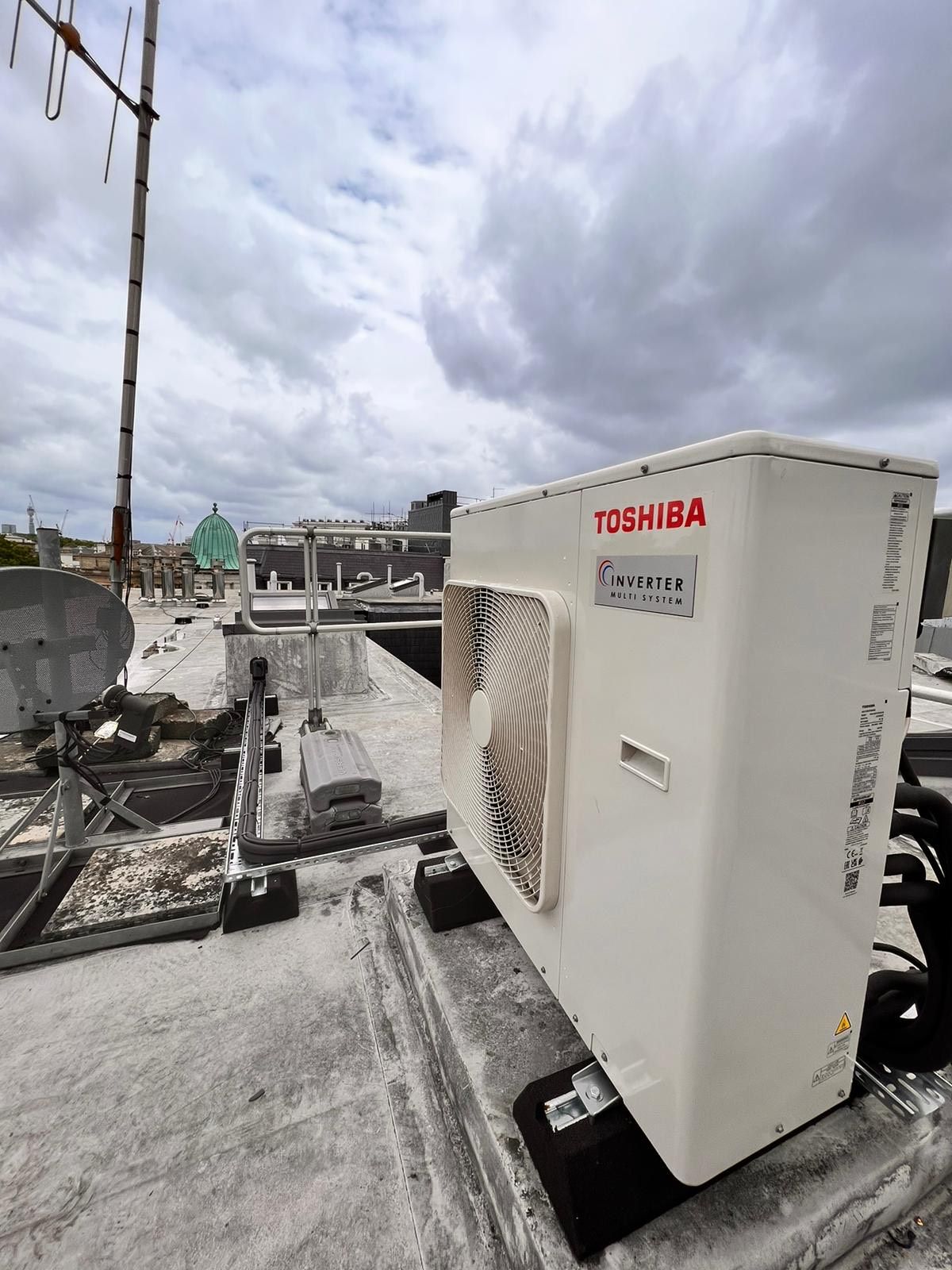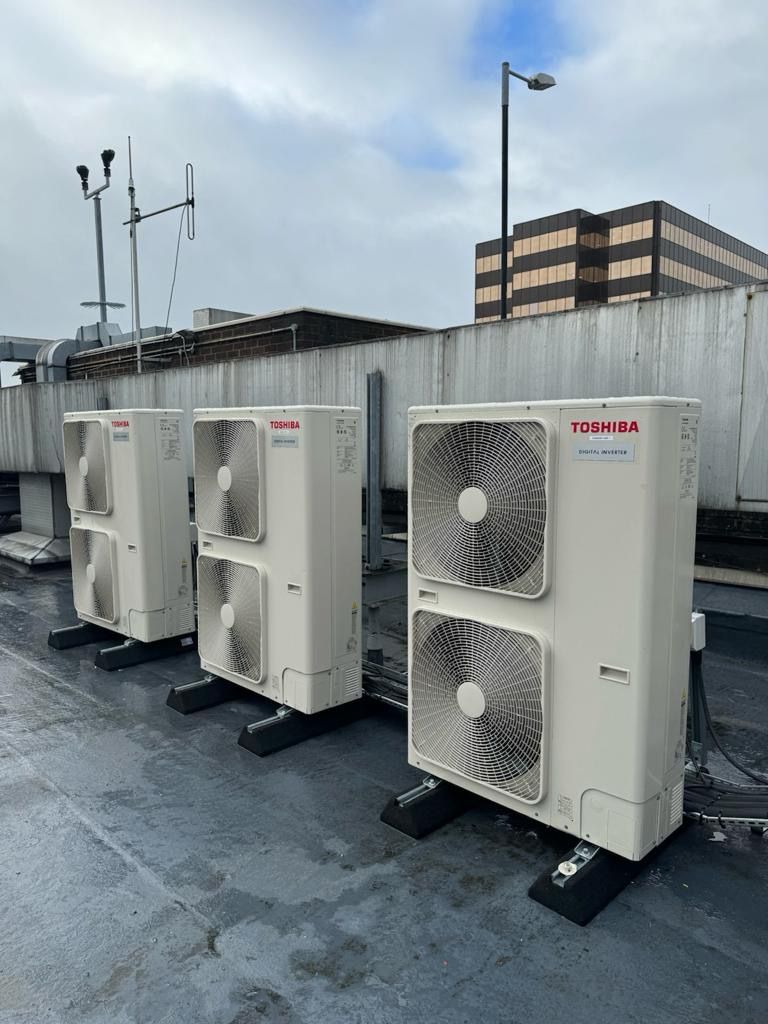

Air Conditioning systems used for Heating....?
Air Conditioning as an Energy-Efficient Heating Strategy: A Practical Advantage for UK Businesses and Property Owners
As UK organisations navigate rising operational costs, decarbonisation pressures and tighter emissions expectations, many are reassessing their heating strategy. One technology is emerging as a clear leader for both cost efficiency and sustainability: modern air conditioning systems operating as high-efficiency heat pumps.
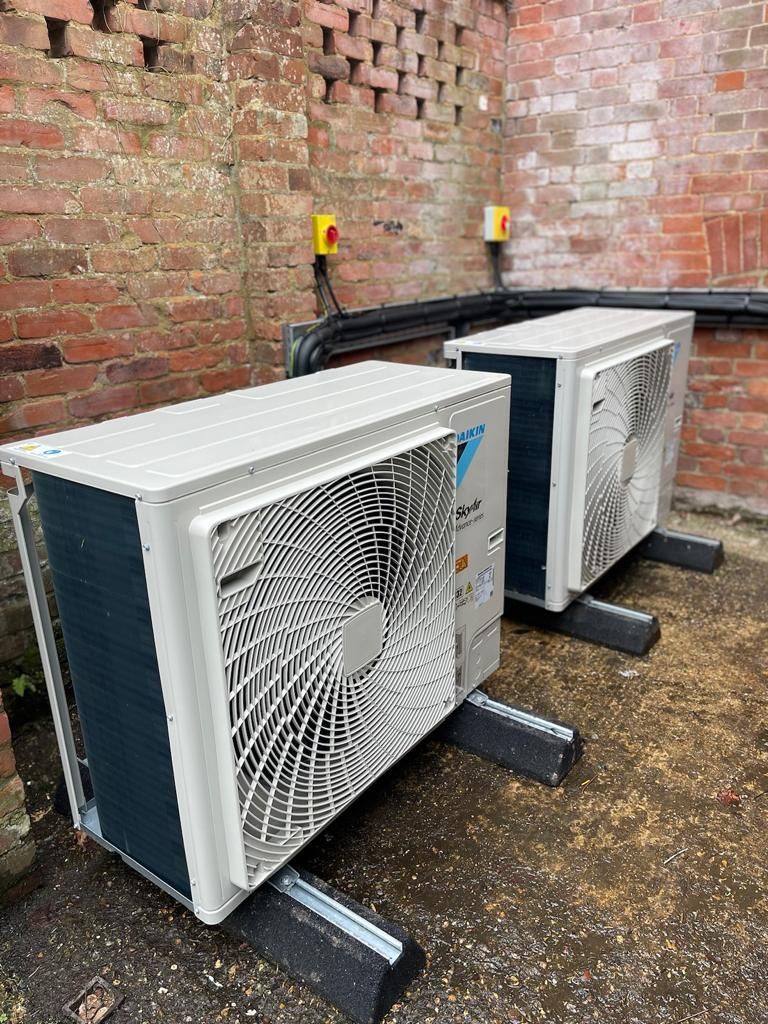
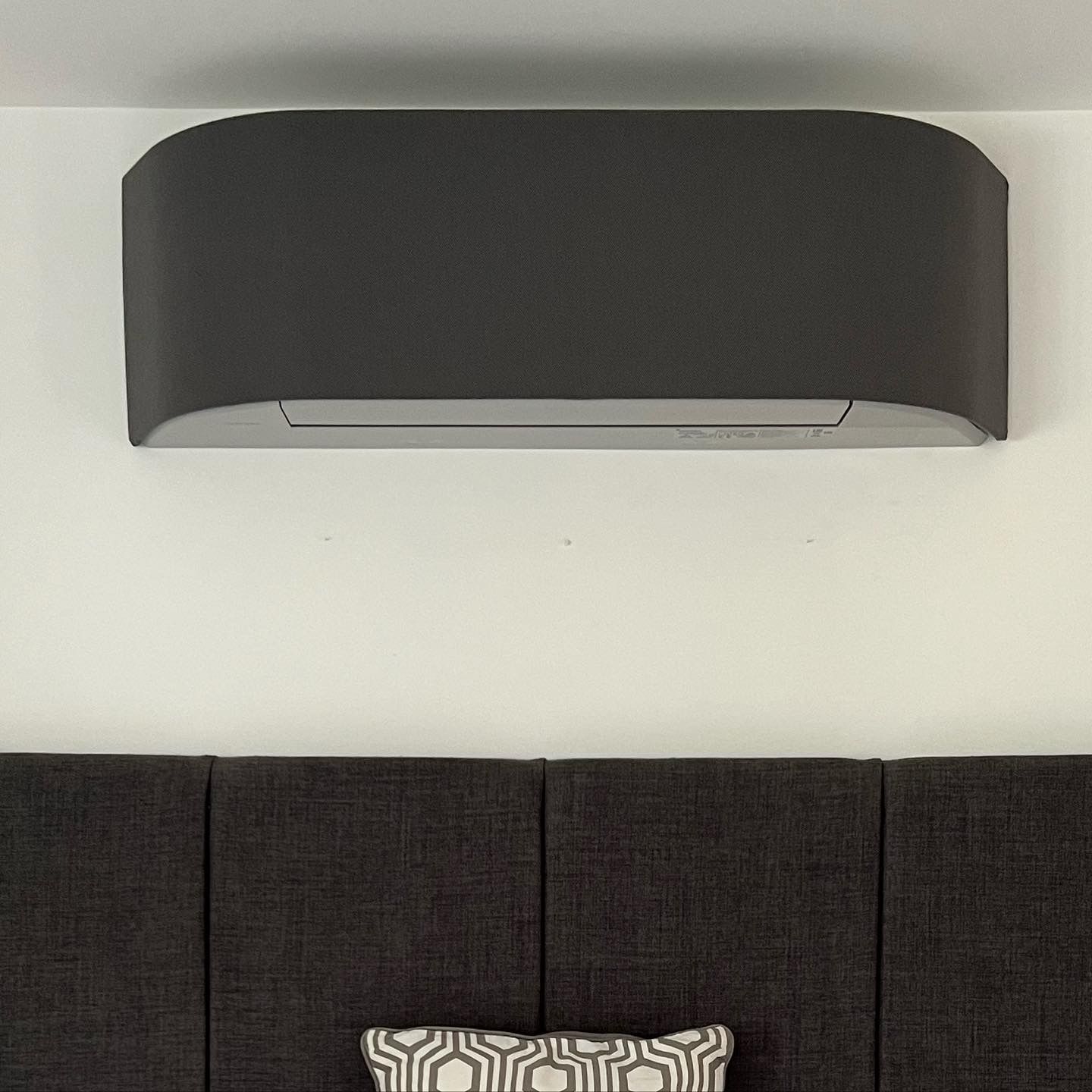
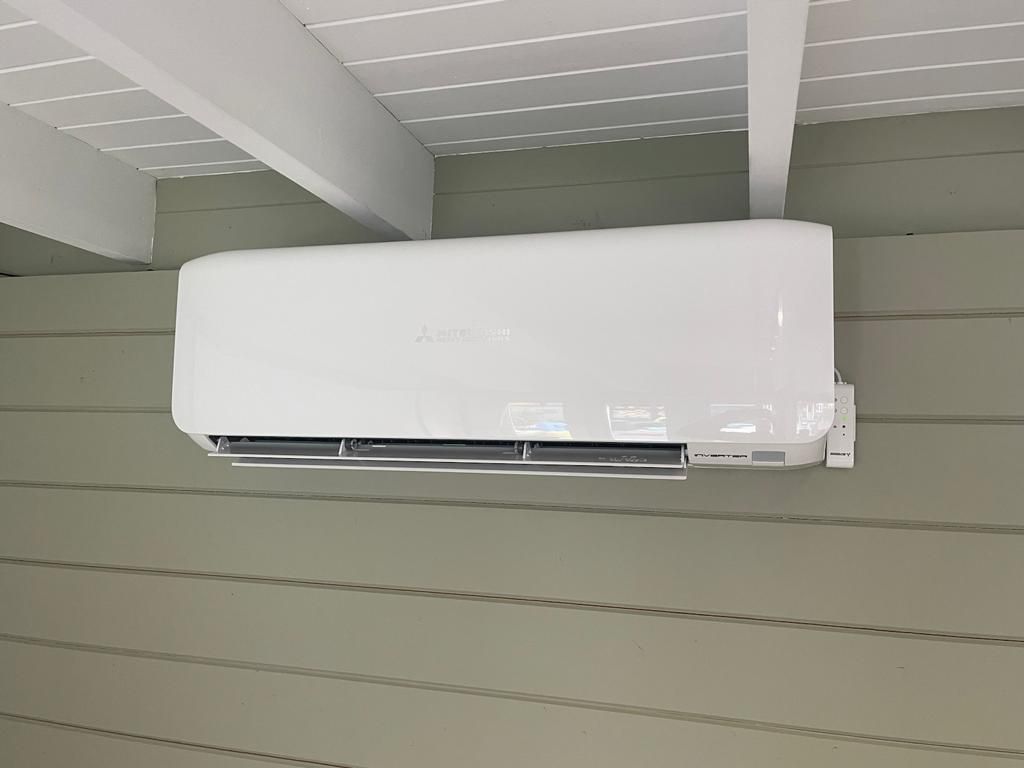
These systems are no longer simply cooling appliances; they are versatile, low-carbon HVAC assets delivering highly efficient heating across commercial premises and multi-occupancy buildings — often outperforming traditional gas, oil and biomass systems on both cost and performance.
Exceptional Heating Efficiency With Immediate Operational Benefits
Heat pump–driven air conditioning doesn’t generate heat through combustion. Instead, it transfers heat from the outside air — even in cold conditions — and multiplies the usable output. This gives it a significant efficiency advantage.
Typical performance figures show:
- 300–400% heating efficiency (COP 3–4)
- Substantial reductions in energy consumption compared with gas or oil boilers
- Lower carbon intensity, supporting CSR and ESG commitments
- Consistent heat delivery with precise digital controls
When energy costs are unpredictable, the ability to generate multiple units of heat from a single unit of electricity provides meaningful and immediate savings for commercial budgets.
Cost Control in a High-Price Energy Market
The volatility of UK gas and oil prices continues to place pressure on businesses. Air-conditioning-based heating systems, by contrast, offer:
- Predictable operational costs
- Lower peak demand costs when paired with smart controls or timers
- No oil deliveries, no fuel storage, and no exposure to supply-chain price spikes
- Reduced maintenance compared with combustion boilers or biomass systems
For many SMEs and commercial property operators, switching key areas — offices, customer-facing spaces, workshops, meeting rooms — to heat-pump-based AC can reduce winter heating expenditure without compromising comfort.
Practical Advantages for Commercial Premises
Air conditioning as a year-round HVAC solution offers several professional advantages:
- Zoned heating control to eliminate unnecessary energy usage
- Rapid response times, ideal for variable occupancy patterns
- Integrated cooling capability for summer trading and staff comfort
- Enhanced indoor air quality via onboard filtration systems
- Minimal disruption during installation, especially in retrofit scenarios
For landlords, developers and facilities managers, these systems also streamline compliance with evolving UK environmental standards and offer strong long-term asset value.
A Future-Ready Heating Solution Aligned With UK Policy
As the UK transitions away from fossil-fuel heating, businesses and property investors increasingly need solutions that demonstrate sustainability, resilience, and cost efficiency.
Modern air conditioning heat pumps meet all three requirements:
- Contribute to lower carbon emissions
- Reduce reliance on oil, gas and solid fuels
- Support EPC improvements and future regulatory compliance
- Offer both heating and cooling in a single technology platform
For many commercial environments, they represent a strategic upgrade that improves comfort, cuts running costs, and strengthens environmental performance in one step.