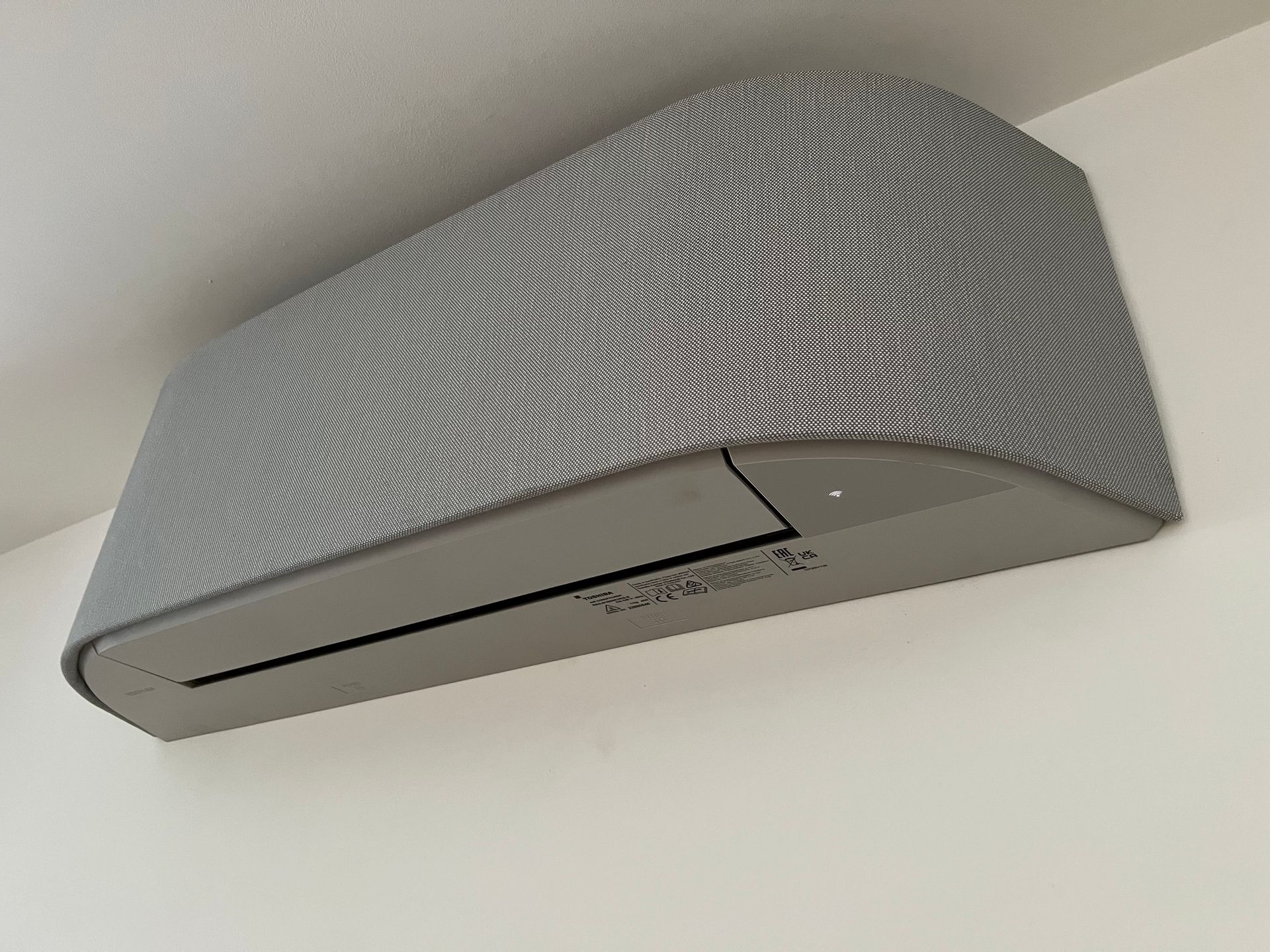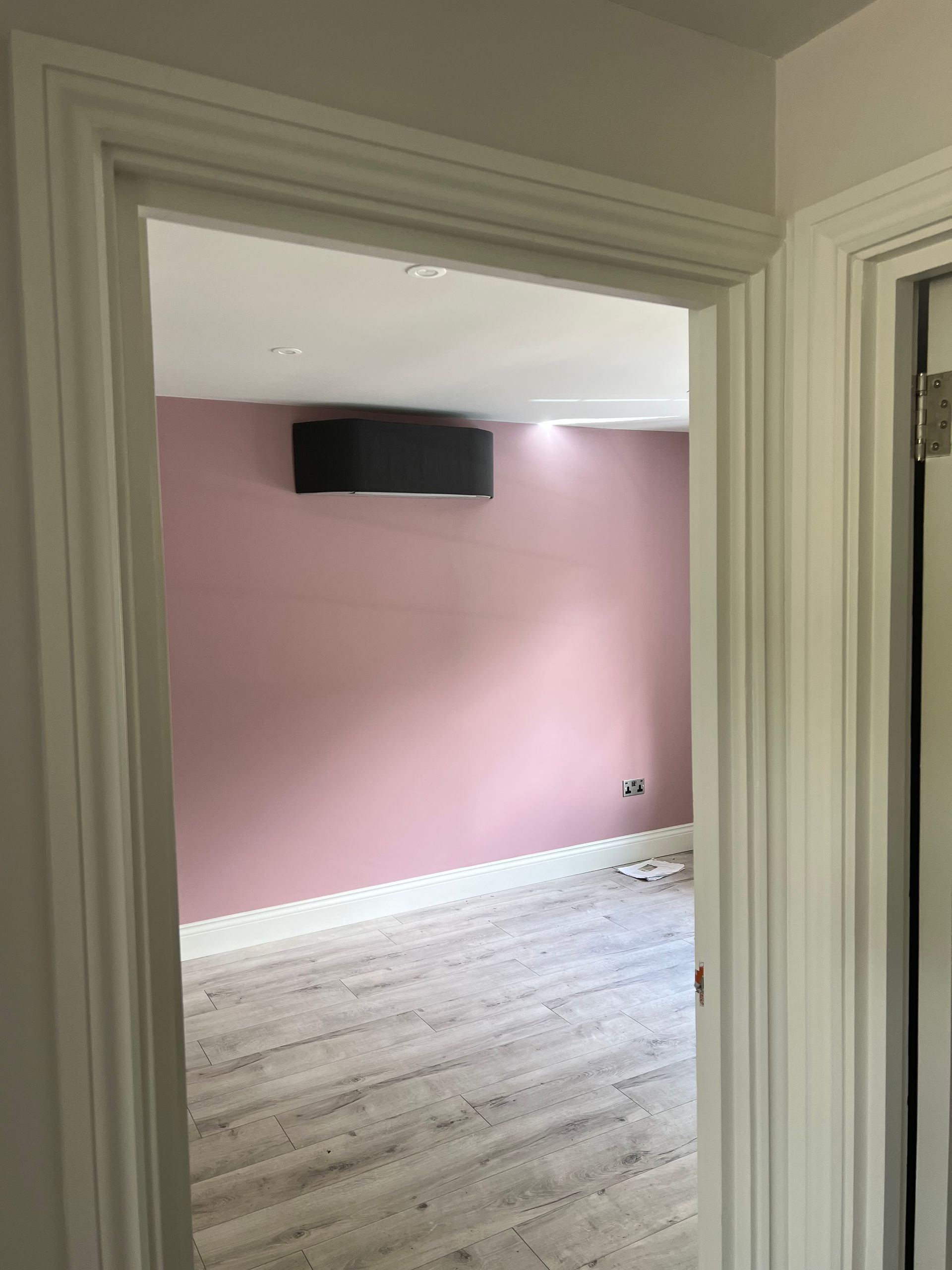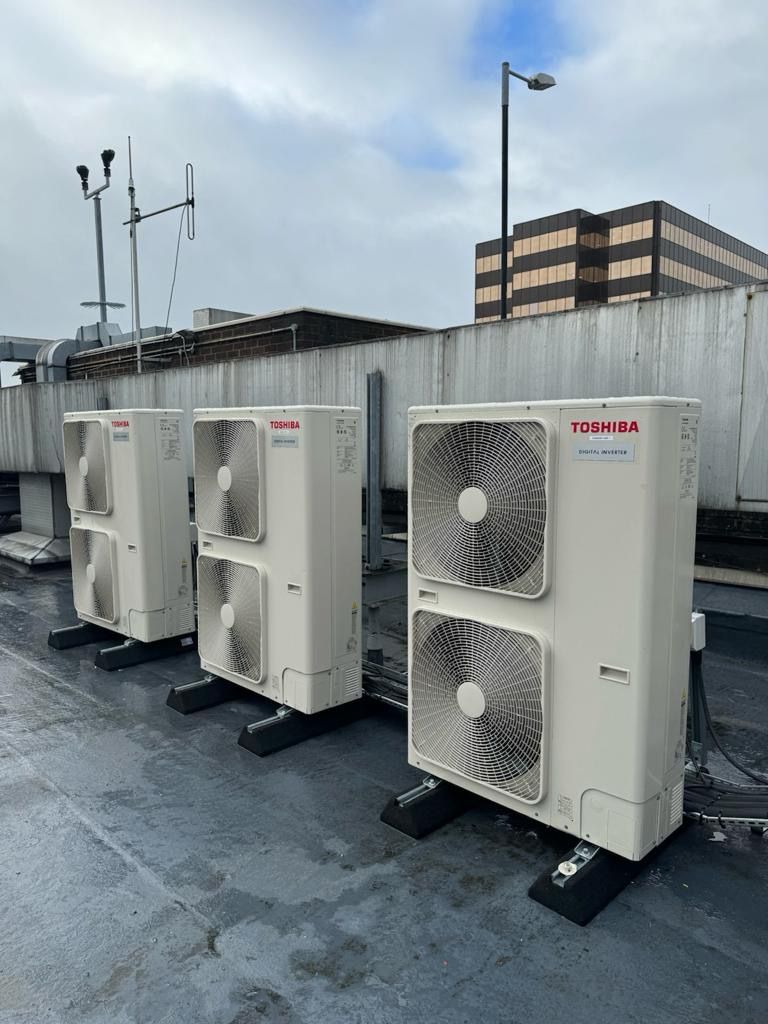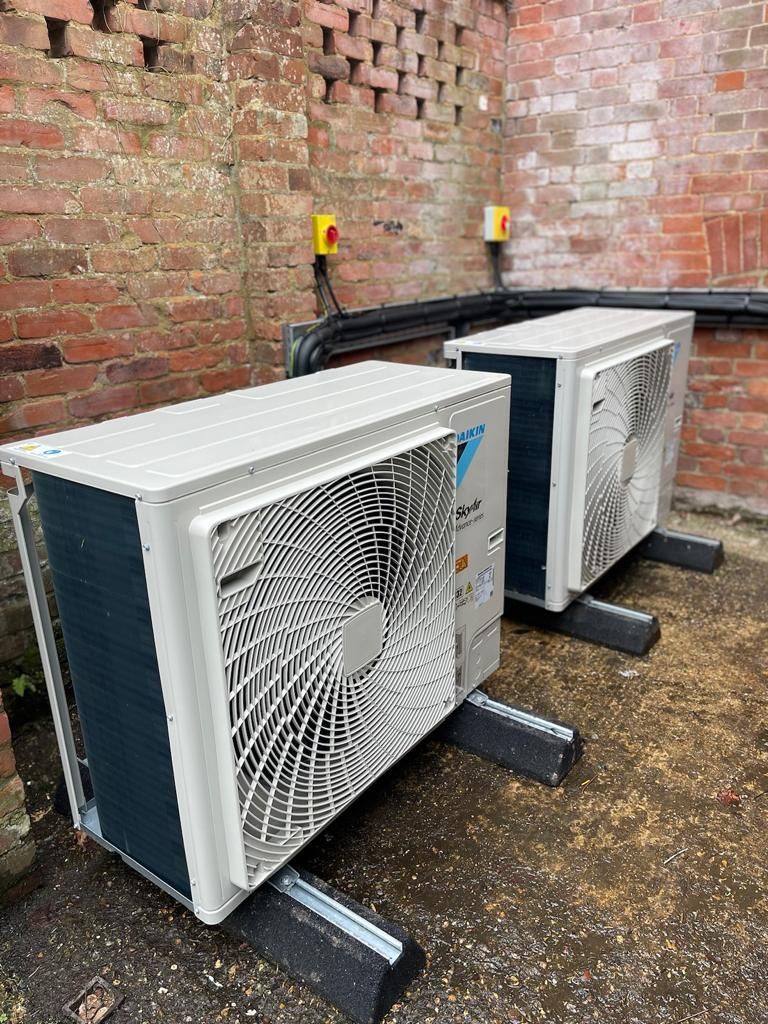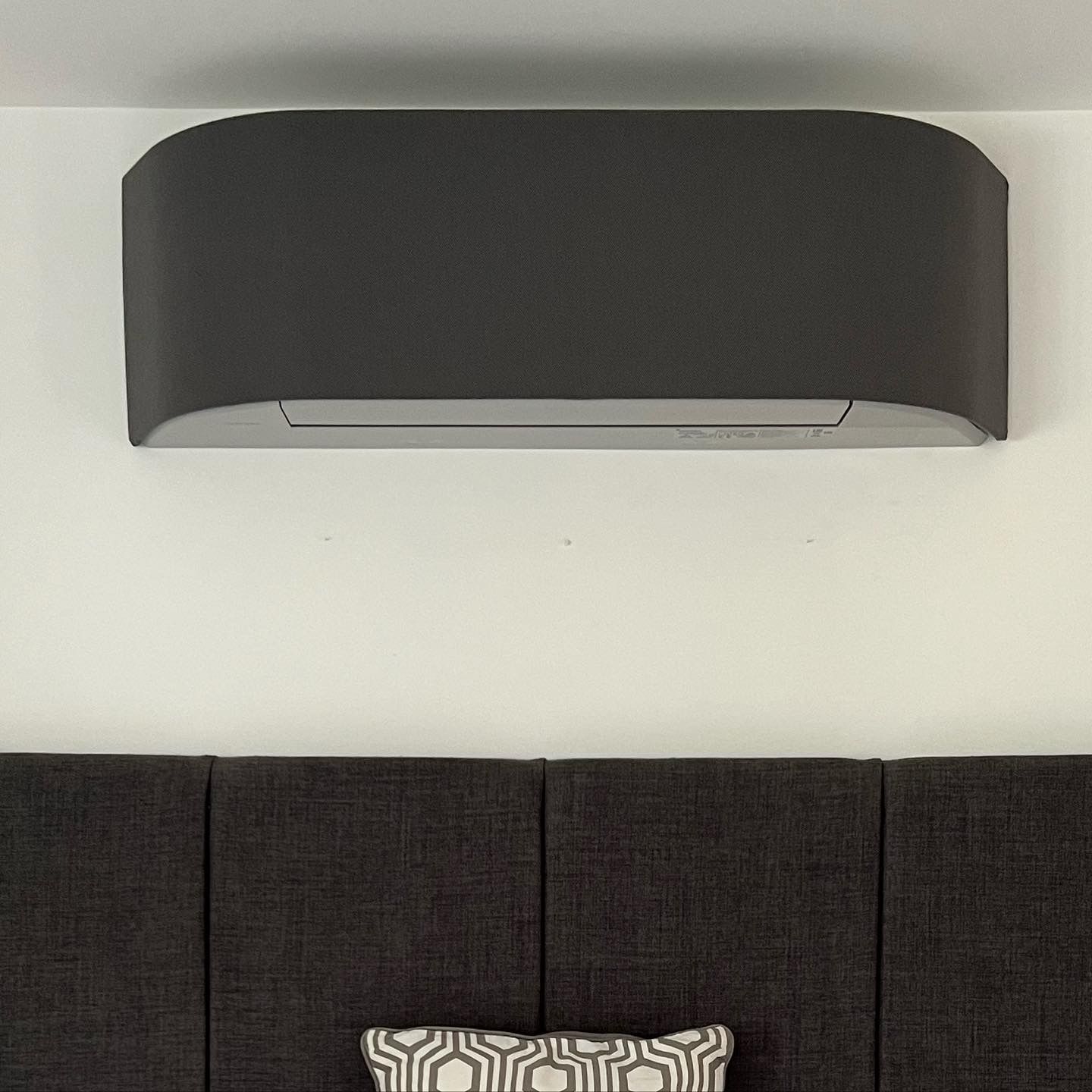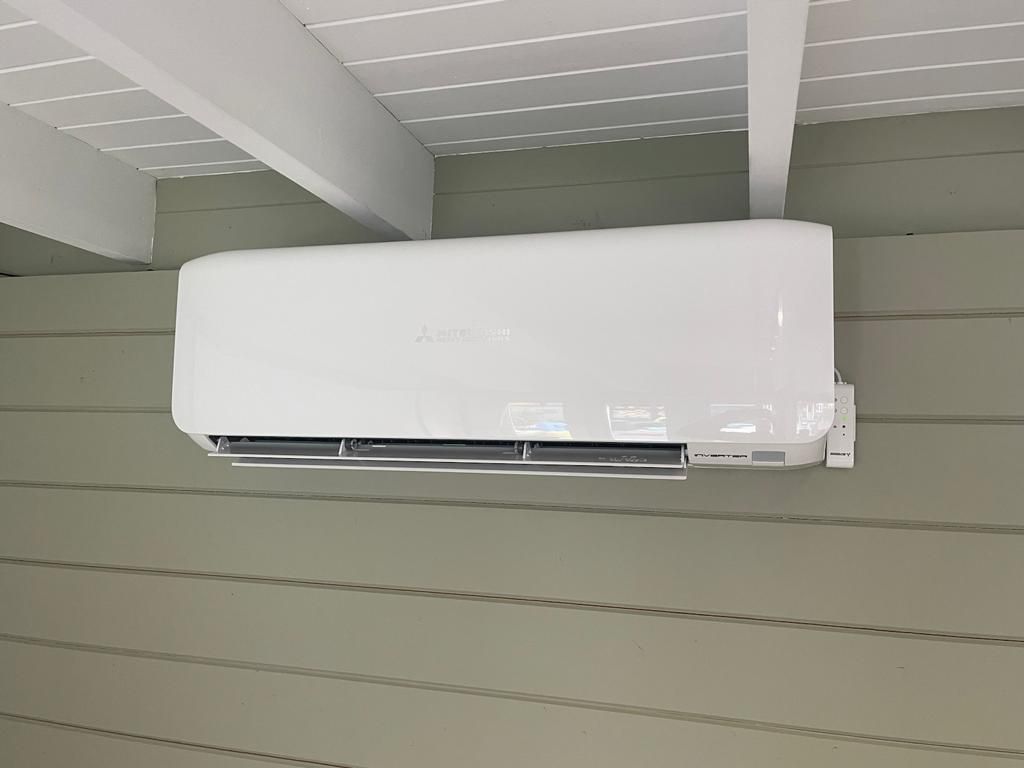

You want A/C but you're not sure what you need to do next?

K EDWARDS • December 1, 2025

Things for you to check before calling us!

Homeowner Air-Conditioning Checklist (UK — 2025 Edition)

1. Before You Buy

What do you want the system to do?

  • Cooling only
  • Cooling + heating (heat pump)

Check refrigerant type

  • Prefer low-GWP refrigerants such as R32 or other new-generation options.
  • Avoid older high-GWP gases that may become harder/expensive to service.

Confirm installer credentials

  • Ask: “Are your engineers F-Gas certified for handling refrigerants?”
  • Ask: "Is your company REFCOM registered?"
  • Request proof if unsure.

Check energy efficiency

  • Look for efficiency ratings (SEER/SCOP).
  • Ask how much the system will cost to run per year.

Understand noise levels

  • Ask for the indoor AND outdoor unit dB ratings.
  • Compare with local planning noise limits if relevant.

Placement planning

  • Indoor: avoid walls next to bedrooms (if noise-sensitive).
  • Outdoor: check neighbour boundaries, airflow, and service access.

2. Installation Day

Has the installer pressure-tested the system?
Has the system been vacuum-tested for moisture removal?
Did they provide a commissioning sheet / handover pack?
Do you understand the controls, modes and energy-saving settings?

3. After Installation

Register warranty

  • Some manufacturers offer 3–5 years if installed by accredited partners.

Test both cooling and heating modes
(Even if you bought it mainly for summer.)

Check for early signs of problems

  • Unusual noise
  • Weak airflow
  • Odd smells
  • Drips or leaks

4. Ongoing Care & Maintenance

Clean or replace filters every 2–3 months
Keep outdoor unit clear of plants, debris and obstructions
Book a professional service once a year
(Efficiency, refrigerant health, and long-term reliability)

Ask your engineer:

  • “Is my refrigerant type likely to be affected by new UK regulations?”
  • “Is there anything I should plan for in the next 2–5 years?”

Most UK homes don’t require formal leak-checks by law — but a yearly service still saves energy and avoids problems.

5. When to Consider Upgrading

Your system is more than 10–12 years old
It uses an older, high-GWP refrigerant
Servicing has become expensive or parts hard to source
You’ve improved insulation and now experience summer overheating
You want cheaper, cleaner heating using a heat pump

6. Comfort & Energy Tips

Use eco/quiet modes at night
Keep blinds/curtains closed on hot days to boost cooling efficiency
Clean filters for better air quality and lower running costs
Use scheduled timers to avoid unnecessary operation
Consider whole-room airflow (fans can help reduce AC demand)
By K EDWARDS December 10, 2025
and why is important to your business?
By K EDWARDS November 24, 2025
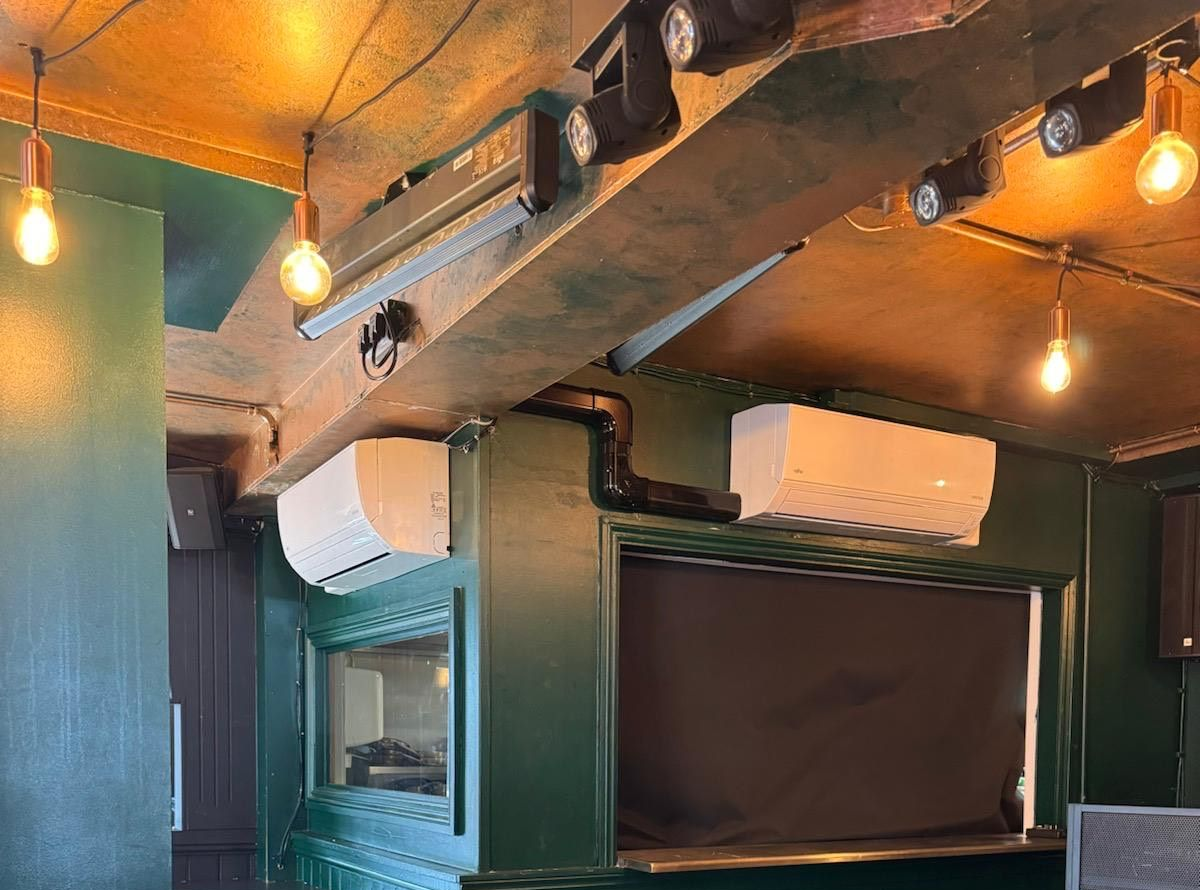
As temperatures drop across Bedfordshire, many businesses assume their air conditioning units can be ignored until summer. In reality, winter is the perfect time to give your system the attention it needs. Neglecting maintenance now can lead to costly breakdowns just when you need reliable climate control the most.  🌬 Why Winter Maintenance Matters Heating mode reliance : Modern AC units often double as heating systems, air-to-air heat pumps so to speak. If filters, coils, or fans are dirty, efficiency drops and heating bills rise. Preventing downtime : A sudden failure in January could leave staff and customers uncomfortable, impacting productivity and sales. Energy savings : Regular servicing ensures your system runs smoothly, reducing unnecessary energy consumption during peak heating months. 🛠 Common Winter Concerns for Businesses Blocked filters from autumn dust and debris. Frozen coils if units aren’t properly maintained. Wear and tear from switching between heating and cooling modes. Blocked Condenser coils from all the leaf litter fallen over the last few months ✅ Smart Steps for Bedfordshire Businesses Schedule a professional inspection before the coldest months bite hard. Replace or clean filters regularly. Check thermostats and controls to ensure accurate temperature regulation. Keep outdoor units clear of leaves and frost. 📈 The Business Case A well-maintained system isn’t just about comfort—it’s about protecting your bottom line. Lower energy bills, fewer emergency callouts, and a healthier workplace environment all add up to stronger business performance and higher customer spend. Final thought: Winter is not the time to forget your air conditioning—it’s the time to future-proof it. Bedfordshire businesses that invest in maintenance now will enjoy smoother operations and fewer headaches when summer rolls back around.
By K EDWARDS May 13, 2025
How regular servicing can save your company thousands!
By K EDWARDS March 31, 2025
Why Air Conditioning is Essential for Bedfordshire Businesses: Comfort, Productivity, and Profitability
By K EDWARDS March 20, 2025
and what you should look out for!
By K EDWARDS March 17, 2025
What is all the fuss about?
By K EDWARDS January 31, 2025
What is Radon?
By K EDWARDS January 24, 2025
The general answer is - whatever suits the individual! But, there are other more specific factors which can assist you if you're wondering about the 'perfect temperature' for your a/c system. The ideal indoor temperature can vary depending on several factors, including the season, humidity levels, and the age and sex of the occupants(1). Here's a detailed overview: Winter During winter, maintaining a balance between comfort and energy efficiency is crucial: Healthy Adults: The World Health Organization (WHO) recommends setting indoor temperatures to around 18°C for healthy, well-dressed individuals (2). Elderly and Children: For older adults, young children, or those with health conditions, the ideal temperature is slightly warmer, around 20°C. (3) Summer In summer, the goal is to keep indoor spaces cool without excessive energy consumption: General Recommendation: Aim to keep indoor temperatures between 20-22°C (4). If using air conditioning, you may wish to consider setting your setpoint to around 23-24°C to save energy while maintaining comfort. As a rule of thumb; the higher the ambient temperature, the higher your setpoint can be to still feel comfortable. Humidity's Role Humidity levels significantly impact perceived temperature and comfort (5). High Humidity: Feels warmer, so maintaining an indoor relative humidity (RH) between 30-50% can help manage comfort efficiently (5). Low Humidity: Can feel cooler but may cause dryness; using humidifiers in winter when heating is on can balance this. Water features, fish tanks/bowls and pot-plants located in the appropriate room can assist with this as well. Gender and Age Considerations: Men and Women: Studies indicate that women generally prefer slightly higher indoor temperatures than men. The average neutral temperature can be about 2-3°C higher for women. Infants: Ideal room temperatures for infants range between 16-20°C to reduce risks associated with being too warm or cold (3). Older Adults: Keeping main living areas around 20°C ensures comfort and reduces health risks linked to colder environments (3). Tips to Maintain Ideal Temperature: Insulation: Proper insulation helps maintain temperature consistency and reduce energy costs (4). Ventilation: Ensuring good ventilation, especially in high humidity areas like kitchens and bathrooms, helps maintain comfort (5). Smart Thermostats: Use smart thermostats to automatically adjust temperatures based on occupancy and time of day. By balancing temperature and humidity, you can create a comfortable and healthy indoor environment for everyone. (1) feta.co.uk (2) www.zmescience.com (3) www.britishgas.co.uk (4) www.doubleglazingnetwork.com (5) www.groundworks.com
By K EDWARDS November 24, 2024
We are often asked what are the health benefits for those people using modern air conditioning systems, so we thought we'd outline them in a little detail! Modern air conditioning systems offer several health benefits for individuals in the UK: Improved Air Quality: Advanced filtration systems in modern AC units remove pollutants, allergens, and dust from the air, creating a cleaner and healthier living environment. This is especially beneficial for people with respiratory conditions like asthma or allergies. Humidity Control: By regulating humidity levels, air conditioning prevents the growth of mould and mildew, which can exacerbate respiratory problems and trigger allergies. This is also true for a/c systems used in heating throughout the winter months! Better Sleep Quality: Maintaining a cool and comfortable temperature in the bedroom can improve sleep quality. Cooler temperatures help the body relax and fall asleep faster, leading to more restful and uninterrupted sleep. Like the above, this is also true in winter as well. Reduced Heat-Related Illnesses: During heatwaves or hot weather, air conditioning provides a cool refuge, reducing the risk of heat-related illnesses such as heat exhaustion and heat stroke. Decreased Insects and Parasites: Air conditioning units help keep insects and parasites out of the home, reducing the risk of bites and associated diseases. This is caused by increased air quality, closed windows/doors thus decreasing insect ingress points and better humidity control. Enhanced Comfort: Consistent temperature control ensures a comfortable living environment, reducing discomfort associated with extreme weather conditions. Support for Mental Wellbeing: A comfortable and healthy indoor environment can positively impact mental wellbeing, reducing stress and promoting overall happiness. These benefits make modern air conditioning systems a valuable addition to homes and workplaces, contributing to both physical and mental health. Most of the above are obvious when you think about it and are ably supported by those with a/c in their homes, shops and offices!
By K EDWARDS November 18, 2024
We're often asked by prospective client; 'So, is Air Conditioning a recent thing then? I never used to see it as a kid'?